how to control insulin level Insulin glucagon action body glucose fat storage diagram controls fasting burning
Picture this: you’re at a doctor’s appointment and they mention your insulin levels. Do you know what they mean? Insulin is a hormone produced by the pancreas that regulates blood sugar levels in the body. High insulin levels can lead to health issues such as insulin resistance, type 2 diabetes, and even heart disease. But how do you know if your insulin levels are too high? Fear not, for we have found a fantastic resource with an easy-to-understand chart that can help you determine your fasting insulin levels. This chart is not only helpful for those with known high insulin levels, but also for anyone who wants to monitor and maintain their overall health. The chart we found breaks down insulin levels into six categories: optimal, excellent, good, fair, poor, and high. The optimal level falls between 25-35 pmol/L or 3-5 μIU/mL. Levels above 180 pmol/L or 25 μIU/mL are considered high and can be dangerous to your health. What’s great about this chart is that it not only lists the recommended fasting insulin levels, but it also explains what each level means and offers suggestions for how to improve your levels if they are too high. For example, if your insulin levels are high, the chart suggests limiting your carbohydrate intake and increasing your physical activity. While high insulin levels can be concerning, it’s important to note that there are steps you can take to prevent and manage them. By eating a healthy diet, getting regular exercise, and monitoring your fasting insulin levels, you can maintain good insulin health and overall well-being. In conclusion, we hope that this chart serves as a helpful resource for you in determining and maintaining your fasting insulin levels. Remember, your health should always be a top priority and proactive steps towards prevention are key. So, go ahead and check out the chart and take control of your insulin health today! Image:
Optimal Fasting Insulin Level
 The optimal fasting insulin level falls between 25-35 pmol/L or 3-5 μIU/mL.
Image: High Insulin Level Risks

If you are searching about How Insulin Works: PLUS The Different Types of Insulin Explained you’ve came to the right web. We have 5 Pictures about How Insulin Works: PLUS The Different Types of Insulin Explained like Insulin, and how the body controls storage and burning of glucose and, How Insulin Works: PLUS The Different Types of Insulin Explained and also How Insulin Works: PLUS The Different Types of Insulin Explained. Read more:
How Insulin Works: PLUS The Different Types Of Insulin Explained
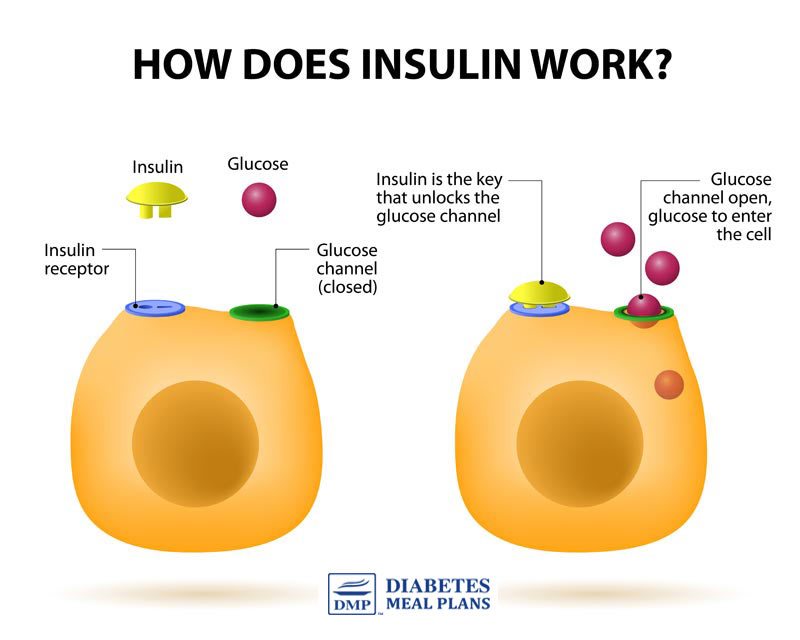 diabetesmealplans.cominsulin works body types different explained hormone glucose human type produced
Insulin, And How The Body Controls Storage And Burning Of Glucose And
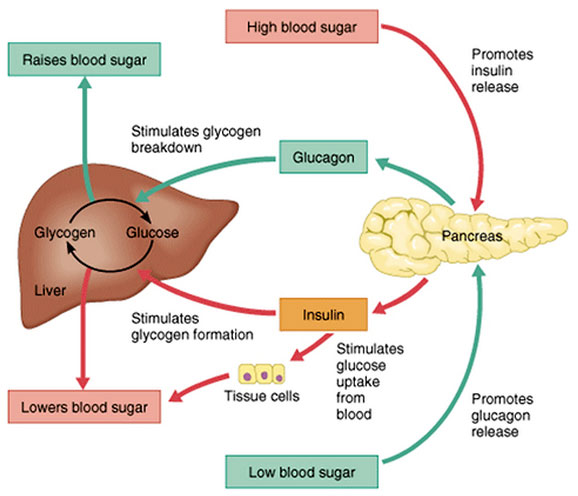 www.fastday.cominsulin glucagon action body glucose fat storage diagram controls fasting burning
File:Suckale08 Fig3 Glucose Insulin Day.png - Wikimedia Commons
commons.wikimedia.orgglucose insulin fig3 resolution
20 Best Fasting Insulin Level Chart
Serum Insulin Level Of Normal Control, Diabetic Control And Aqueous
 www.researchgate.netinsulin diabetic aqueous treated
How insulin works: plus the different types of insulin explained. Fasting insulin. Insulin works body types different explained hormone glucose human type produced