is leprosy genetic Leprosy disease hansen diagnostic introduction ancient indian
Leprosy, also known as Hansen’s disease, is a chronic and infectious disease that affects the skin and nerves. The disease is caused by a bacterium called Mycobacterium leprae. Despite its ancient history, Leprosy is still prevalent in many parts of the world today, particularly in developing countries with poor sanitation and healthcare. If left untreated, leprosy can cause severe damage to the skin, nerves, eyes, and limbs. The symptoms of leprosy can vary depending on the severity of the disease and the individual’s immune response. Some of the classic symptoms of leprosy include skin lesions, numbness or weakness of hands and feet, and loss of sensation. Diagnosing leprosy can be challenging, as the symptoms can overlap with other skin conditions. However, with modern diagnostic tools, such as skin biopsies and DNA testing, leprosy can be diagnosed accurately. The treatment for leprosy is a combination of antibiotics, which can effectively kill the bacterium and stop the progression of the disease. In addition, patients with leprosy may require specialized wound care and physical therapy to help manage the symptoms and minimize the damage caused by the disease. Despite significant advances in the treatment of leprosy, there is still much we don’t know about the disease. One of the key areas of research is the role of genetics in the human response to leprosy. Scientists have found that genetics plays an essential role in determining whether an individual will develop the disease or not. However, the precise mechanisms by which this happens are still not entirely understood. In conclusion, Leprosy is a serious and chronic disease that affects millions of people worldwide. Although modern medicine has made significant strides in diagnosing and treating the disease, there is still much more to learn about it. If you suspect that you or someone you know may have leprosy, seek medical attention immediately to prevent the disease from progressing and causing permanent damage.
If you are looking for Leprosy: Misunderstandings and Stigma Keep it Alive (Part 1) | GFA you’ve came to the right page. We have 5 Pics about Leprosy: Misunderstandings and Stigma Keep it Alive (Part 1) | GFA like The Complexity of the Host Genetic Contribution to the Human Response, Lepromatous leprosy, definition, causes, symptoms, diagnosis, treatment and also Leprosy: Misunderstandings and Stigma Keep it Alive (Part 1) | GFA. Here it is:
Leprosy: Misunderstandings And Stigma Keep It Alive (Part 1) | GFA
 www.patheos.comleprosy stigma disease disfigurement physical alive misunderstandings keep caused known signs well most part
DIAGNOSTIC: Leprosy
 angler-khagen.blogspot.comleprosy disease hansen diagnostic introduction ancient indian
Lepromatous Leprosy, Definition, Causes, Symptoms, Diagnosis, Treatment
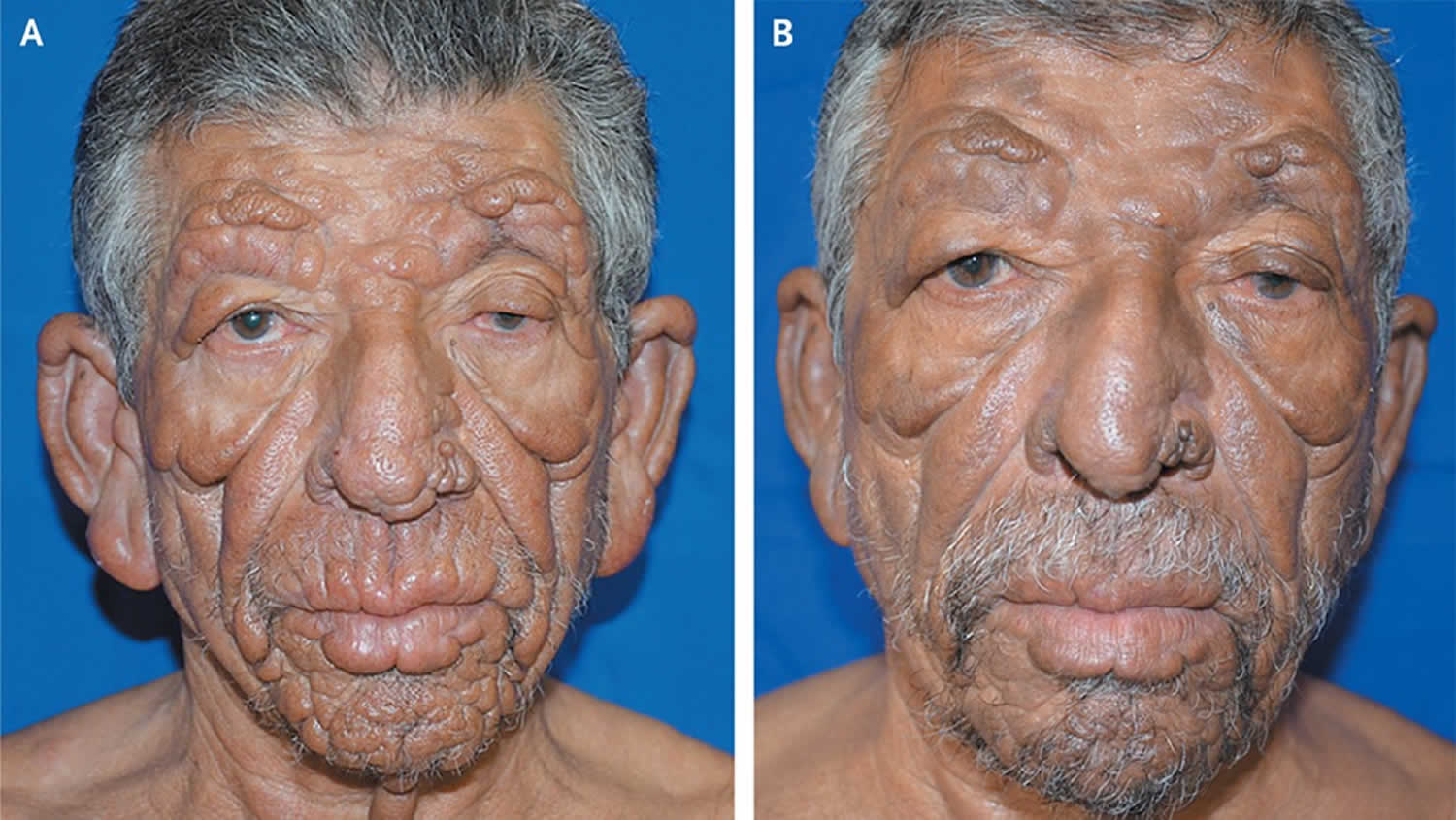 healthjade.netleprosy lepromatous lepra facies leonine facie nejm tuberculoid leonina leprae mycobacterium pathogenesis morbus definition diffuse causas infection early
(PDF) Leprosy: A Genetic Disease?
 www.researchgate.netleprosy genetic disease uma
The Complexity Of The Host Genetic Contribution To The Human Response
 internationaltextbookofleprosy.orggenetic leprosy leprae host pathogenesis stages response corresponding fig
Leprosy stigma disease disfigurement physical alive misunderstandings keep caused known signs well most part. Leprosy disease hansen diagnostic introduction ancient indian. Leprosy: misunderstandings and stigma keep it alive (part 1)